03 · Passing gesture on to machines
Robotics
Machines learn to move by watching bodies. Whose?
Robotics now learns from human gesture. Humanoid robots, collaborative arms, articulated hands: they are trained by watching people move, and the more precisely the movement is captured, the better they learn. Motion capture, our craft, has become one of the sources of that knowledge.
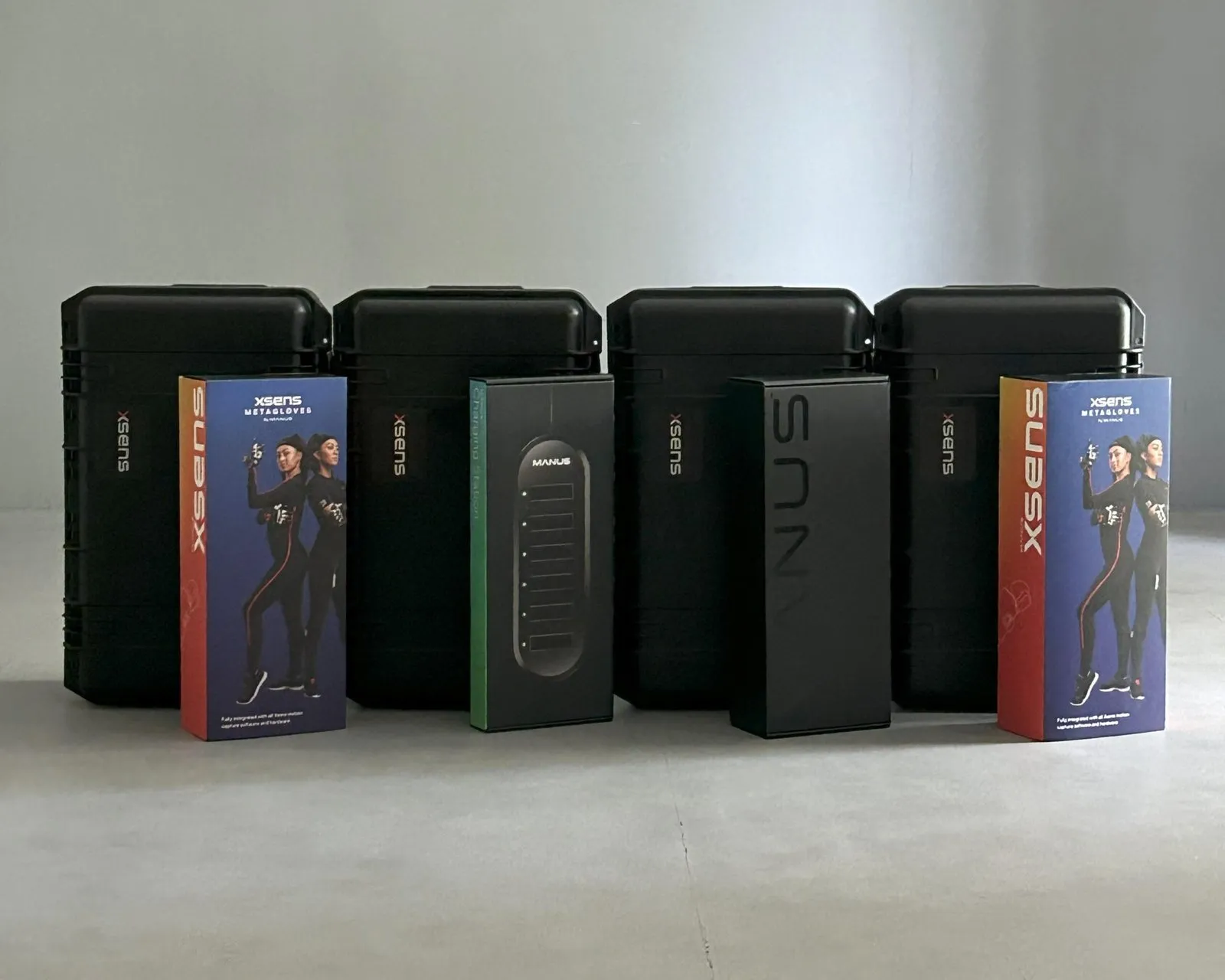
We are opening this work with what we already have: inertial suits and gloves that measure the whole body down to the fingers, a studio, portable equipment, and the habit of capturing gesture where it lives — at work, on stage, in the workshop.
We come to it with the question that has been with us from the start: whose bodies are machines learning from? If the gestures of this place are not captured, tomorrow’s robots will not know them. And if they are, who owns that data? We want the answer to be built here, with the people whose gestures are recorded.
Three strands
What we bring
01
Gesture data to learn from
A robot that learns by imitation needs examples: complete, clean, well-described human movement. We capture the whole body and the hands, in the studio or in real settings, and deliver cleaned, synchronised and documented data in formats research teams know how to use. Simple, repeated gestures as well as rare skills: grasping, carrying, handling a tool, moving around.
02
Driving a machine with your body
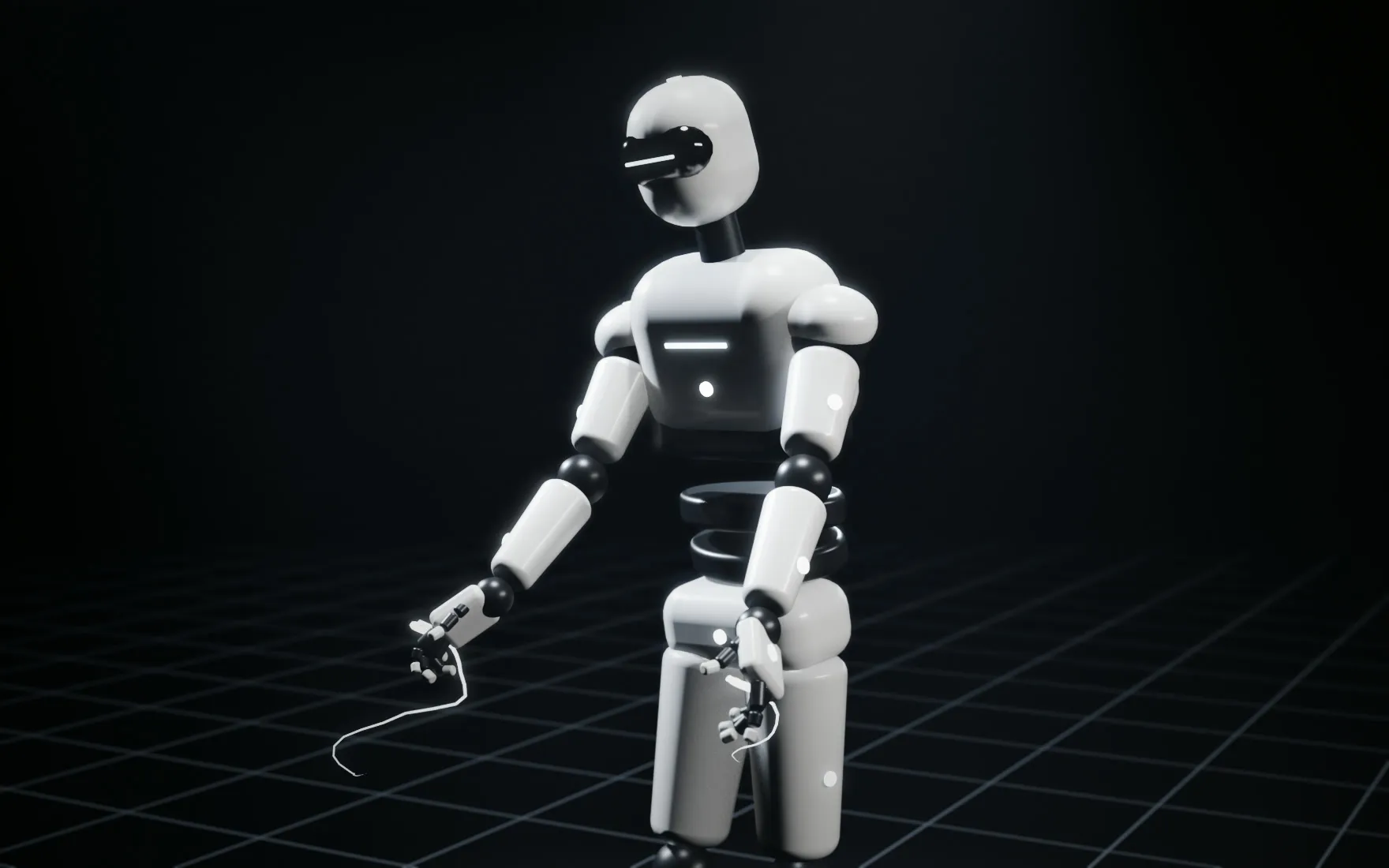
The same suits and gloves can stream movement in real time: this is teleoperation. The person moves, the machine — or its digital twin in simulation — follows. It is a way of showing a robot a gesture rather than programming it, and a testing ground for schools, labs and artists working on the dialogue between body and machine.
03
Whose bodies, whose data
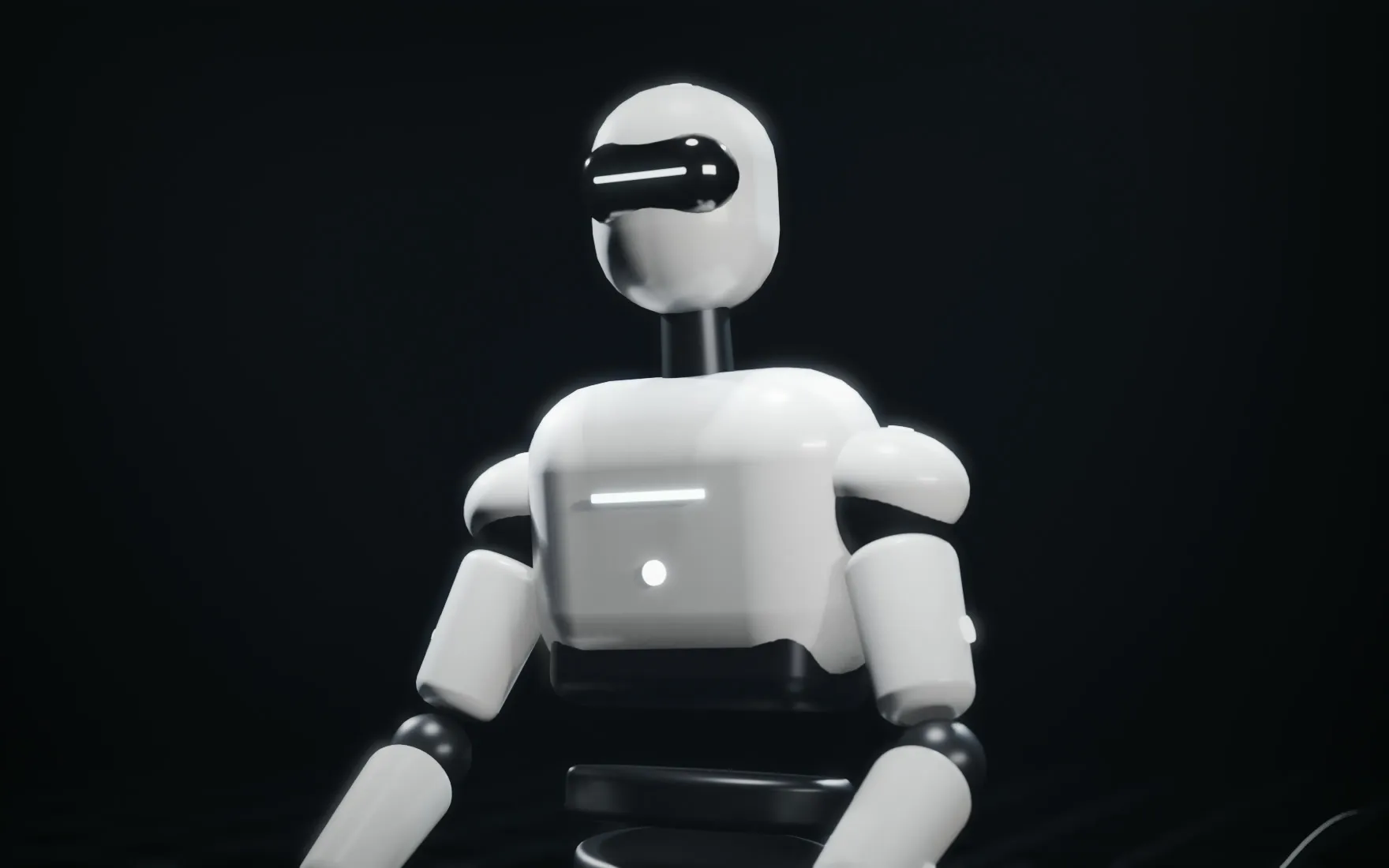
Most of the large motion datasets used to train robots are captured far from here, on bodies and trades that are not ours. We want the gestures of Martinique and the Caribbean to have their place in them, and the people who lend them to know what becomes of them. Owning the tools also means deciding what we pass on to machines.
We capture human gesture. Machines need it. We need machines.
To open this work, we are looking for
Robotics labs
Universities, engineering schools and research centres that need human motion data, or a place to capture it.
Companies
Designing robots, exoskeletons or gesture-assistance tools, who want to test them against real bodies and real trades.
Students and PhD candidates
In robotics, artificial intelligence or movement science, looking for data, a topic or a field site.
Any other proposal
We are open to it: write to us at contact@sequencesephemeres.com.
Frequently asked questions
Why is a motion capture studio interested in robotics?
Because robotics now learns by watching humans, and motion capture is one of the most precise ways of showing it how we move. What we do for the archive, for health or for creation — capturing an accurate, complete, documented gesture — is exactly what it needs.
What data can you provide?
Full-body and finger movement, measured by inertial sensors, delivered as an animated skeleton (BVH, FBX) or as raw data: positions, rotations, accelerations. We can add reference video, gesture annotation and a description of the capture conditions. The specification is built with you.
Can you capture professional gestures in real settings?
Yes, and that is precisely what makes the data valuable. Our equipment is fully portable and needs no cameras to set up: we capture in a workshop, a kitchen, on a building site or on stage.
What happens to the gestures of the people captured?
Every capture rests on an agreement with the people captured: what is recorded, for what purpose, who may use it and for how long. That is the condition for this work to stay true to the rest of the project.
How can I propose a project?
Write to us at contact@sequencesephemeres.com describing what you need: types of gesture, volume of data, intended use. Every proposal gets an answer, even if it falls outside the frame.
Let's get in touch
Do you have a project, an idea, a research question or simply the urge to collaborate? Let's write, experiment and share.