01 · Record, archive, make legible
Research
The memories held in the bodies of Martinique, the Caribbean and beyond.
Everything starts here. Our research was born of an urgency: to preserve the ephemeral nature of living gesture, and to pass it on differently. It is the base of the project — the other two movements follow from it.
We combine state-of-the-art tools with a sensitive approach, building a living digital archive that records music and dance practices — the gestures, the rhythms, the emotions, the invisible interactions between bodies and sounds — from Martinique, the Caribbean and the wider world.
Our approach builds bridges between the arts and the sciences, between research and practice. It is grounded in regional cooperation and international openness, so that tomorrow's heritage is thought through with the people living it today.
It is also a matter of sovereignty. Documenting our own gestures with our own tools, keeping the data here and deciding for ourselves what gets shared, is a refusal to let the memory of Caribbean bodies be recorded, stored and interpreted somewhere else.
Five strands of work
What we are doing
01
A living archive of movement
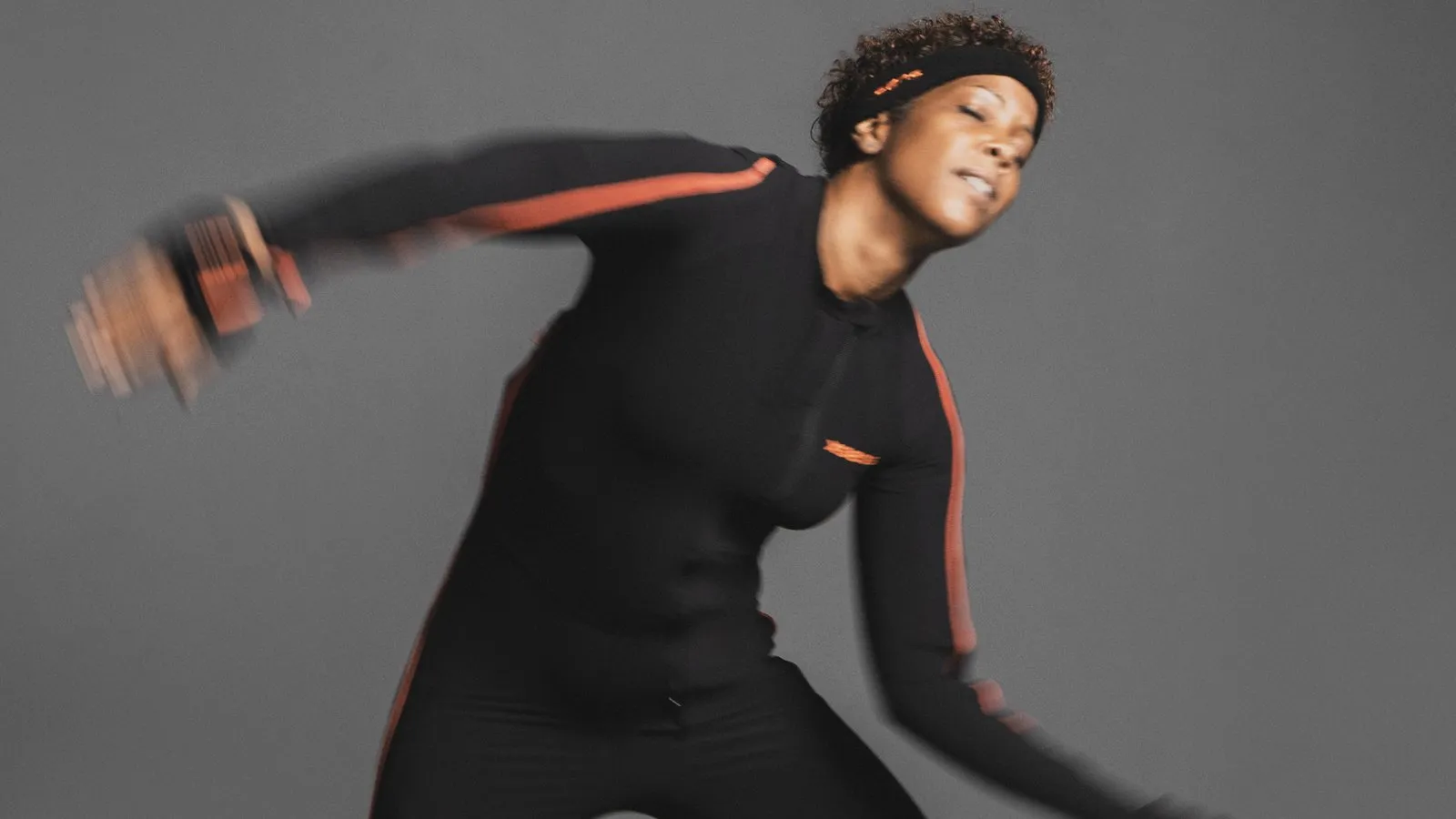
We are building a digital archive of the music and dance practices of Martinique and the Caribbean, using motion capture and biometric recording. This intangible heritage is documented precisely, with transmission, conservation and creation in mind. The archive is conceived as a living organism: it evolves, it updates, it circulates.
02
Reading the invisible: sensors and sensation
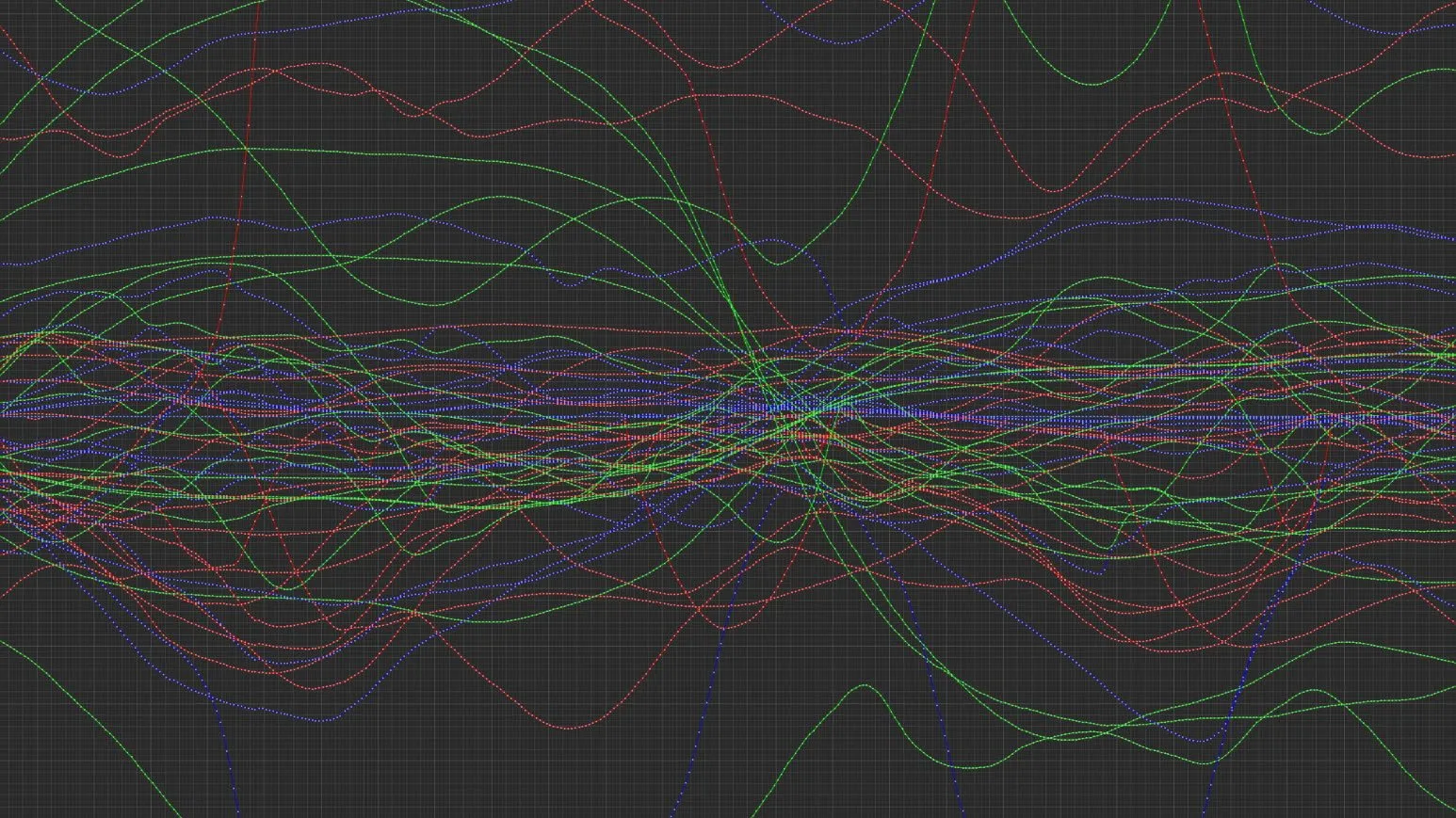
Alongside motion capture, we use biometric sensors — electrodermal activity, heart rate, breathing — to analyse the subtle interactions between performers and audiences. This lets us better understand emotion, the movement of attention, and the forms of presence at work in both traditional and contemporary practices.
03
Data sharing and scientific processing
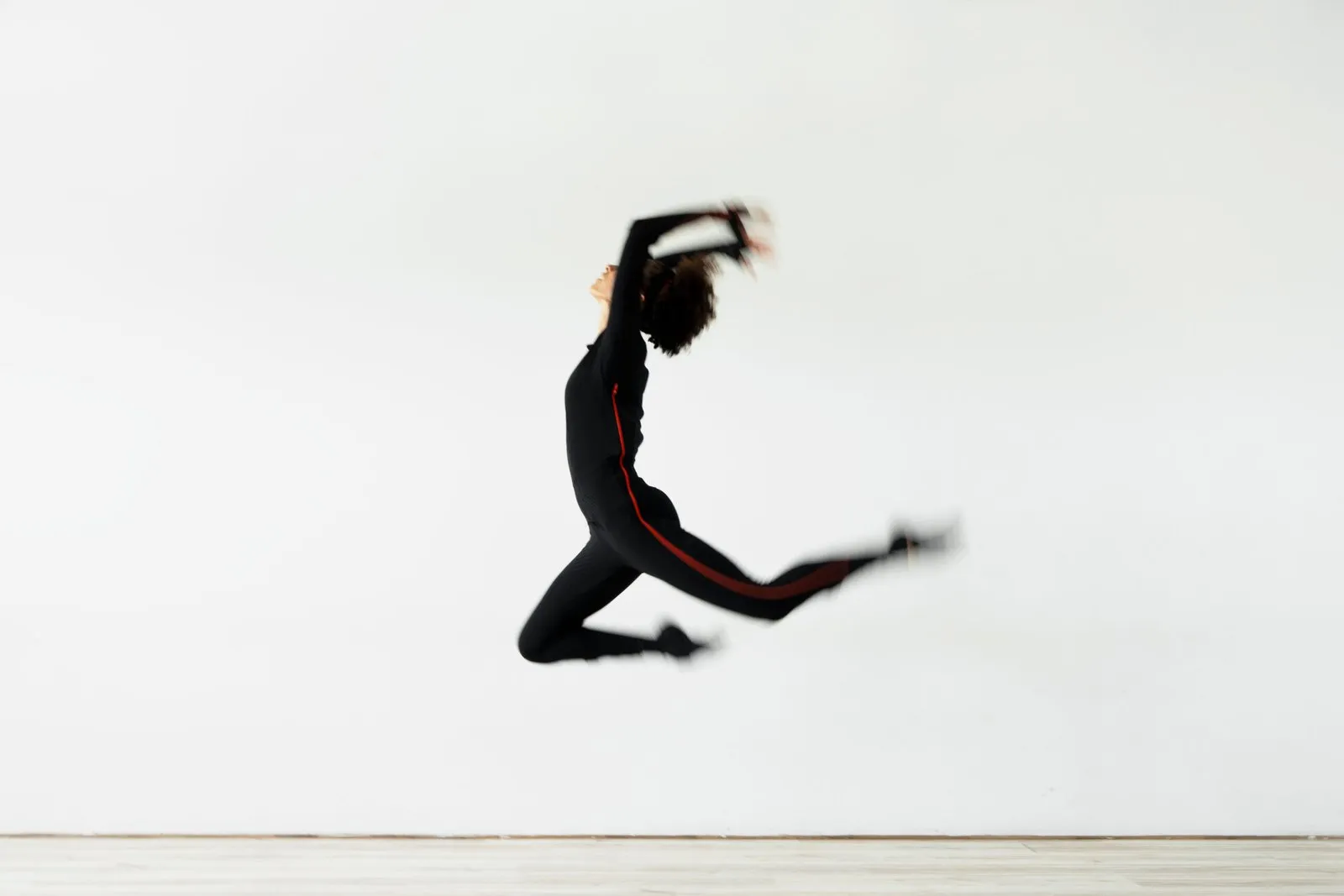
The data we collect is designed to be useful to the scientific and artistic community. It can be consulted, analysed and annotated by researchers, choreographers, anthropologists or kinetography specialists. We also develop in-house tools and processing methods suited to the specifics of the practices we study.
04
Caribbean scientific cooperation
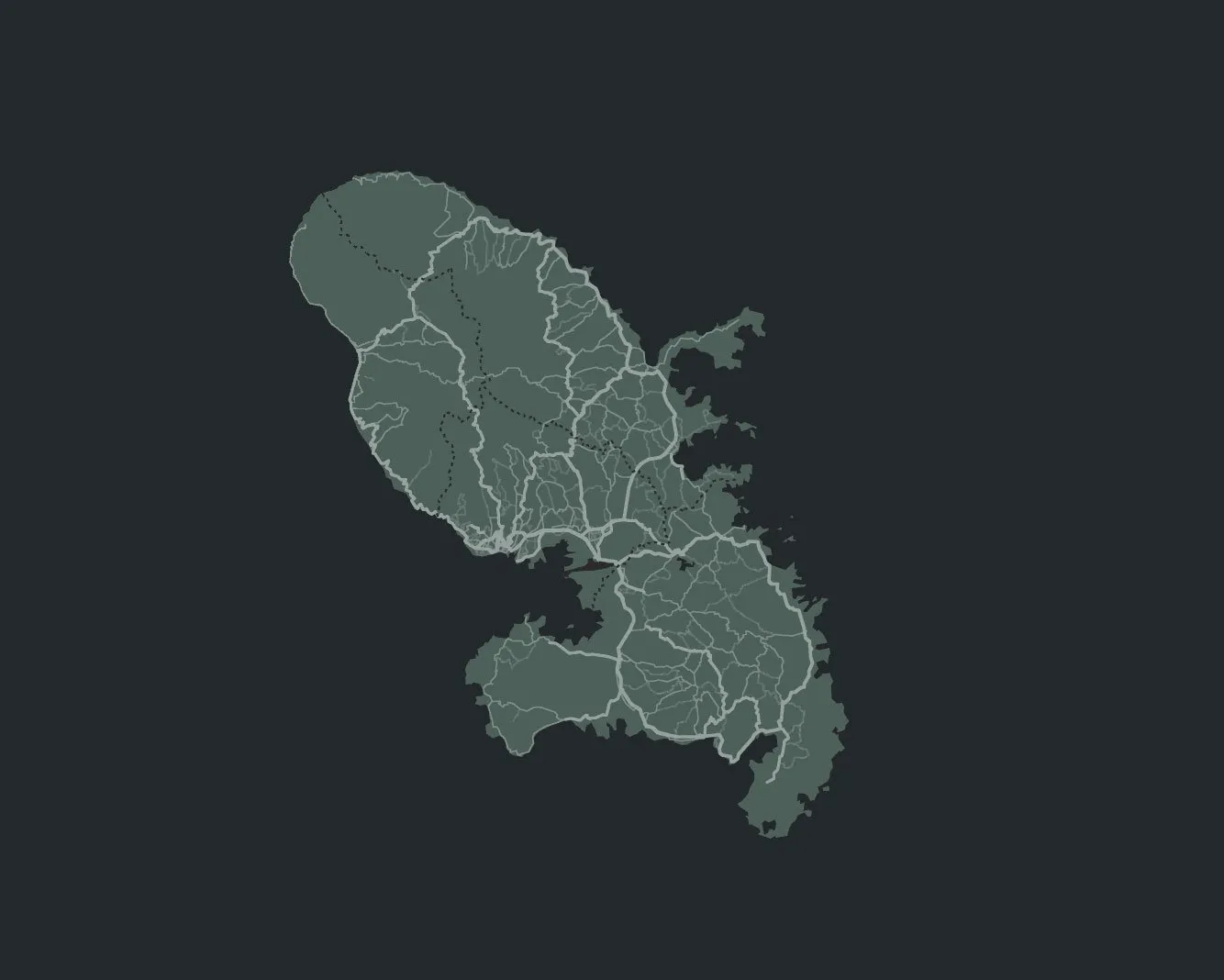
The research programme is anchored in a strong regional dynamic: data exchange, cross-residencies, networking between Caribbean institutions. We are working to build a transdisciplinary research ecosystem in which local practices speak to one another, strengthen one another, and are thought through together at the scale of the Caribbean.
05
Dialogue and openness to the world
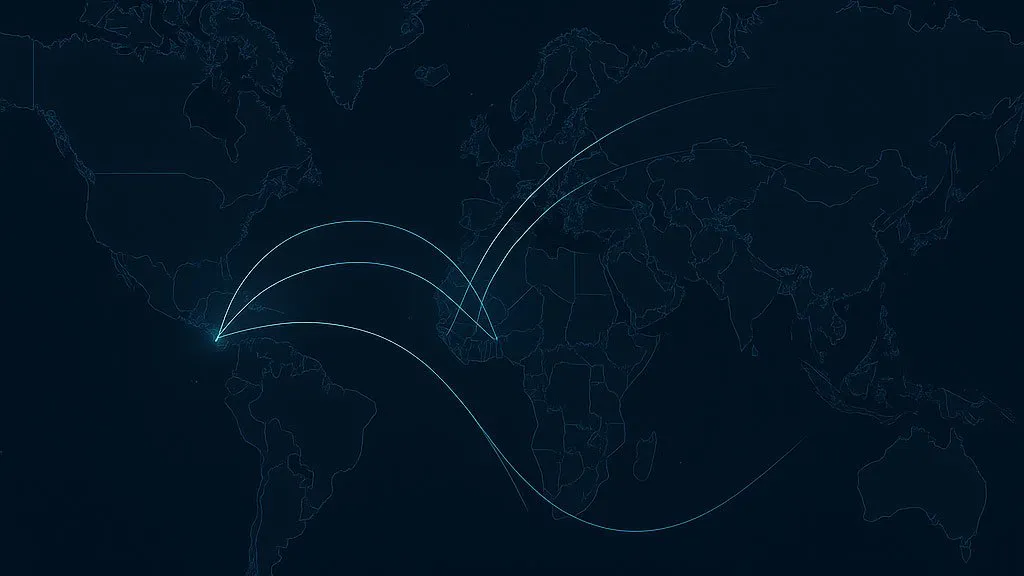
We encourage comparative approaches between the choreographic and musical practices of Martinique and those of other regions: West Africa, Europe, the Americas. This international openness makes it possible to reposition Caribbean gesture within a global history of bodies, rhythms and transmission.
Frequently asked questions
Who can contribute to the archive?
Practitioners first: dancers, musicians, tambouyés, damyé masters, choreographers, custodians of traditional or contemporary practice. Then the organisations around them — schools, companies, cultural associations, heritage institutions. If you hold or pass on a gestural practice, you belong in this archive.
What actually happens during a recording session?
We fit the person with an inertial motion capture suit — sensors distributed across the body, with no optical markers and no cameras to rig around the room. After a short calibration, the practice unfolds as it normally would. Depending on the protocol, we add gloves for the hands, biometric sensors, and one or more reference cameras. A typical session lasts half a day, breaks included.
Who owns the recorded data?
A gesture belongs to the person who carries it. So for every project, with the participants and before any recording, we establish what may be kept, shown, published or reused, and by whom. The files stay with us, on our own machines: nothing is published or passed to a third party without explicit agreement. We have no one-size-fits-all model: the terms are discussed practice by practice.
Can researchers access the datasets?
That is the whole point of this research. The data is produced to be analysed, annotated and argued over — by researchers in anthropology, movement science, musicology or kinetography, and by choreographers. Access depends on the agreements made with participants; write to us describing your research question and we will see what is possible.
What technology do you use, and why that technology?
We work with inertial motion capture (Xsens Link suits, Manus Quantum gloves), complemented by electrodermal activity, heart rate and breathing sensors. Inertial capture has one decisive advantage for us: it needs no dedicated room. We can record in a yard, a temple, a classroom or on a stage — wherever the practice actually lives.
Do you have to be an institution to propose a research project?
No. We work with laboratories and universities, but also with independent researchers, doctoral students, artist-researchers and cultural associations. The quality of the question matters more than the letterhead.
Do you only work on traditional practices?
No. Gestural heritage is also being made right now. Contemporary urban practices, recent choreographic work and professional gestures interest us just as much as inherited forms. What guides us is the risk of disappearance and the value of passing something on.
How do I propose a collaboration?
Write to contact@sequencesephemeres.com describing the practice, the people involved and what you would like to see happen. Every proposal gets an answer, even if it falls outside our usual scope. Especially if it does.
Let's get in touch
Do you have a project, an idea, a research question or simply the urge to collaborate? Let's write, experiment and share.